
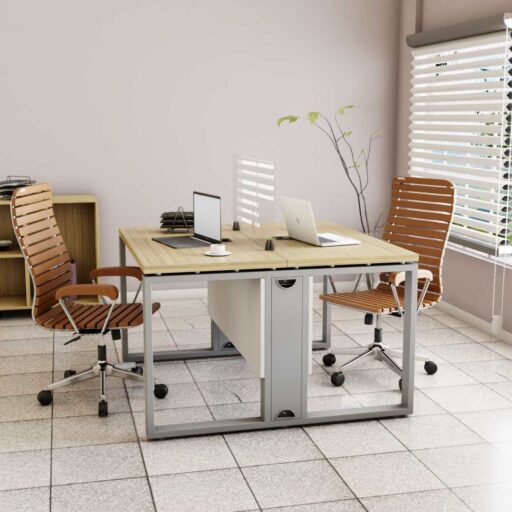
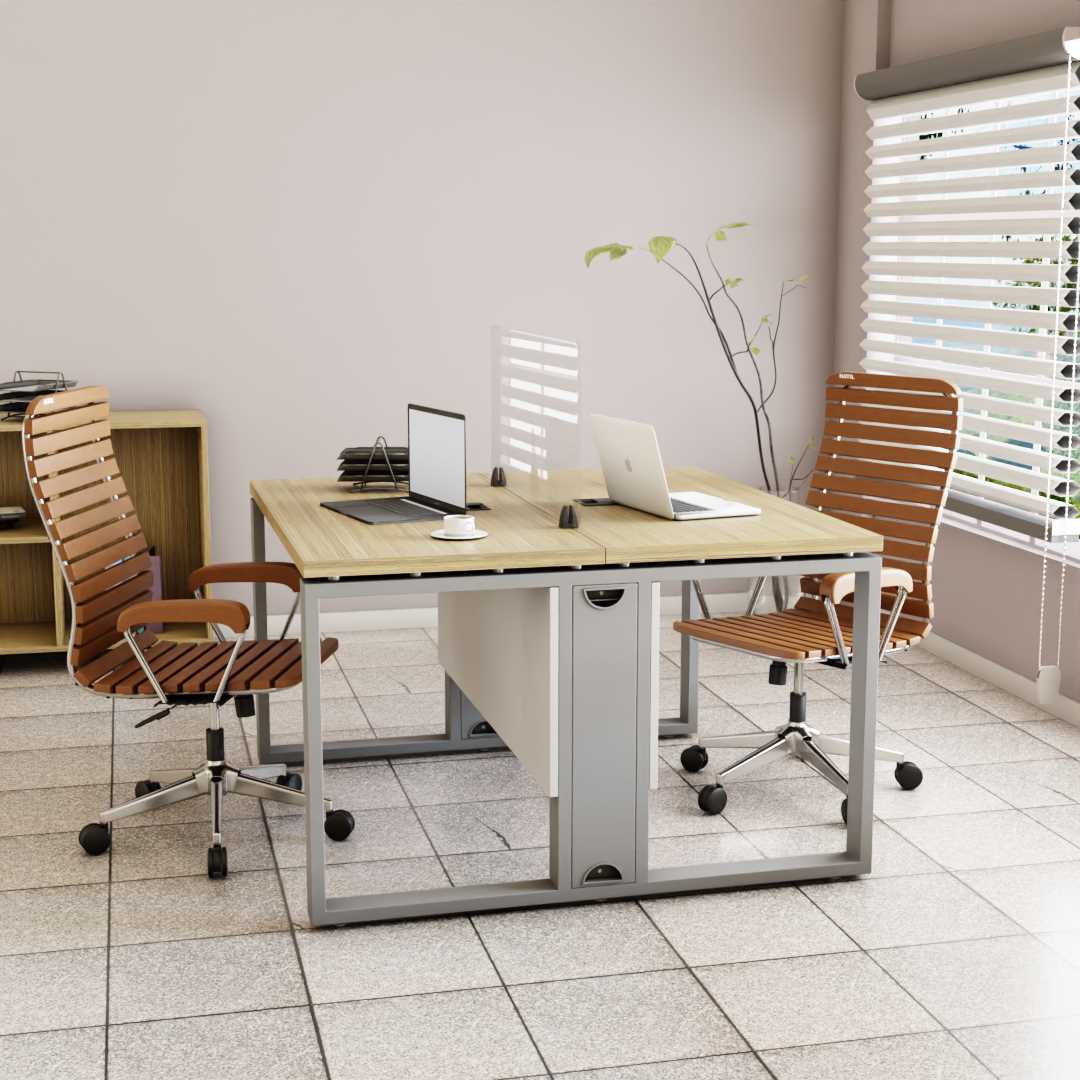
An office goes beyond being just the venue for work to be done. The furniture in the office plays a vital role in determining the level of comfort that workers enjoy, their ability to concentrate, their capacity to communicate, and even the initial perception they give visitors to the office. Badly designed offices that have unfriendly seating arrangements and storage space tend to lower productivity levels.
Whether you are setting up a new business, expanding a team or refreshing an existing workplace, buying furniture involves many decisions. This complete buying guide to office furniture in Bangladesh explains what to consider, from planning and ergonomics to materials, budgets and after-sales support, so you can invest with confidence.
Start With Your Business Needs
Before choosing any furniture, be clear about how your office works. A software company, a law firm, a bank branch, a design studio and a small trading business all use space differently.
Consider the following questions:
- How many people work in the space today, and how many will be added over the next few years?
- Do employees mostly work at their desks, or do they move between meeting rooms and shared areas?
- Is the office mainly open-plan, partitioned or a mix of both?
- How many clients or visitors do you receive, and where do they wait?
- How much paperwork and equipment must be stored?
Writing down the answers helps you avoid buying furniture that looks impressive but does not support your daily operations.

Plan the Layout Before You Buy
The floor plan is one of the most effective planning aids in office design. Measure the space that is available, identify windows, doors, pillars, electric outlets and air conditioners and plan the location of each workstation, meeting place and storage.
Provide sufficient space for free movement. The major walkways need to be unobstructed, the chairs should have space for opening, and the cabinet and drawer doors should open freely. Overcrowding is one of the most common mistakes made in office design and often leads to trouble in the future, from excessive noise and distractions to inability to reach the exit points.
Choose the Right Desks and Workstations
Desks are the foundation of an office. The right choice depends on the type of work and the space available.
- Single desks: Suit managers, executives and roles that need privacy.
- Workstations with partitions: Provide a degree of privacy and noise reduction in open-plan offices, while making efficient use of floor area.
- Benching or shared desks: Support teams that collaborate closely and use space efficiently.
- L-shaped and corner desks: Provide extra surface area for people who use multiple screens or handle documents.
Check that the desk is a comfortable height, has enough surface for a computer and documents, and offers cable management so wires do not hang loose. Drawers and shelves attached to the desk are useful where space is limited.

Invest in Ergonomic Seating
In most offices, employees spend many hours a day seated, so the chair is arguably the most important purchase. A good office chair supports the natural curve of the back and reduces fatigue over long periods.
Look for these features:
- Adjustable seat height so feet rest flat on the floor
- Lumbar or lower-back support
- A seat depth that supports the thighs without pressing behind the knees
- Armrests that are comfortable and, ideally, adjustable
- A stable base with smooth-rolling castors
- Breathable upholstery that suits Bangladesh’s warm climate
Try the chair in person if you can. A chair that feels fine for a minute may feel very different after a full working day, so it is worth asking whether you can test it for longer. For visitors and meeting rooms, choose comfortable but simpler seating that suits shorter periods.

Plan Storage and Organisation
Clutter reduces focus and creates an unprofessional impression. Plan storage early so that documents, supplies and equipment have a defined place. Depending on your work, you may need:
- Filing cabinets for documents
- Lockable drawers and cupboards for confidential papers
- Open shelves and bookcases for reference materials
- Credenzas or side cabinets in executive rooms
- Lockers for personal belongings in larger offices
Furnish Meeting Rooms and Reception Areas
Meeting rooms and reception areas shape how clients and partners see your business. The reception is the first space a visitor enters, so it should feel welcoming, tidy and professional. Comfortable seating, a reception desk of appropriate size and a small table for brochures or refreshments are usually enough.
For meeting rooms, choose a table that fits the number of people who typically attend, with enough space around it for chairs and movement. A table that is too large makes the room feel cramped, while one that is too small makes it difficult to work. Consider whether the room needs power and cable access for laptops and presentations.
Think About Materials and Durability
Furniture in the office is used extensively throughout the day. The material commonly used includes engineered wood panelling, solid wood, metal framing, and many different laminates and upholstery fabrics.
Engineered boards that have laminates are commonly used in office furniture as they are stable, practical, and available in various finishes. Metal framing and legs can be added to increase the strength of the desk and shelving. In case of executive furniture, wood veneers or solid wood may be used.
While taking samples, check the edges, joints, hinges, drawer glides, and finish of the surface. Ask about the performance of the material under the humid climate of Bangladesh. As office furniture is a long-term investment, spending a few minutes on checking can save you from years of hassle.

Set a Realistic Budget
Make a complete budget for your office first, and then allocate budgets according to categories such as workstations, chairs, storage, meeting rooms, and reception. Sometimes it is advisable to put more money into those things which will be used throughout the day such as chairs and desks, and less money into those things which will be used occasionally.
Bear in mind that you must take into account the total cost and not just the price. Delivery, installation, and any other modifications may add to the total cost. Make sure that you compare quotations on an equal footing basis so that you are comparing apples with apples.
Check Delivery, Installation and After-Sales Support
For an office, delivery and installation can be as important as the furniture itself. Ask:
- What is the delivery timeline, and can it be scheduled around your move-in date?
- Is installation or assembly included?
- What happens if items arrive damaged or do not fit?
- What does the warranty cover, and for how long?
- Can repairs or replacement parts be arranged later?
Get key details in writing, including the specifications, quantity, price, delivery date and warranty terms. A clear agreement protects both sides and makes problems easier to resolve.

Bulk Orders and Institutional Projects
Projects which are larger in scale, such as multiple-floor offices, corporations, banks, schools, and hospitals, will not be similar to simple purchases. They need uniform products delivered on time in large numbers, with the supplier capable of handling the entire project process.
For these needs, a supplier with a dedicated institutional furniture offering can simplify procurement. Working with one supplier for desks, chairs, storage and meeting furniture helps keep the finish consistent and makes coordination easier.
Common Mistakes to Avoid
- Buying without a floor plan, which leads to overcrowding or wasted space
- Choosing chairs on appearance alone, instead of comfort and support
- Underestimating storage needs, causing clutter later
- Ignoring future growth, so furniture must be replaced as the team expands
- Comparing prices without comparing specifications
- Skipping delivery and warranty questions
An Office Furniture Checklist
- Define the needs of your team and your business.
- Measure the space and prepare a floor plan.
- Choose desks that suit each type of work.
- Prioritise ergonomic chairs for daily use.
- Plan storage, reception and meeting areas.
- Compare materials, finishes and build quality.
- Confirm budget, delivery, installation and warranty in writing.

Furnish an Office That Supports Your People
When selecting office furniture, one should bear in mind that not only expensive but also stylish office furniture is good. It has to correspond with the way in which your employees will work, suit them from the point of comfort and health and also reflect the atmosphere and philosophy of your company. With the help of appropriate planning and asking the right questions, it can be done easily.
If you are planning an office project, explore the HATIL office furniture collection and the institutional range to compare options and find furniture that suits your space.
Planning a new office or upgrading your workplace? Explore HATIL’s furniture collections and find solutions that fit your team and your business.
