
Mira works long hours. By the time she gets home, the lights are dim, the kettle whistles, and the silence of her apartment feels heavier than it should. The place is clean, almost too clean. Sofa aligned. Curtains straight. Floor spotless. Yet something feels off. It’s not the furniture. It’s the corners. The one beside the window collects sunlight but nothing else. Another, near the dining space, holds a lonely extension cord. The corner behind the door is just… there. Empty, ignored, waiting.
One Sunday afternoon, Mira decided to stop scrolling and start noticing. She walked slowly around her apartment and realized that the corners didn’t know what they were meant to be. They weren’t wrong. They were undecided.
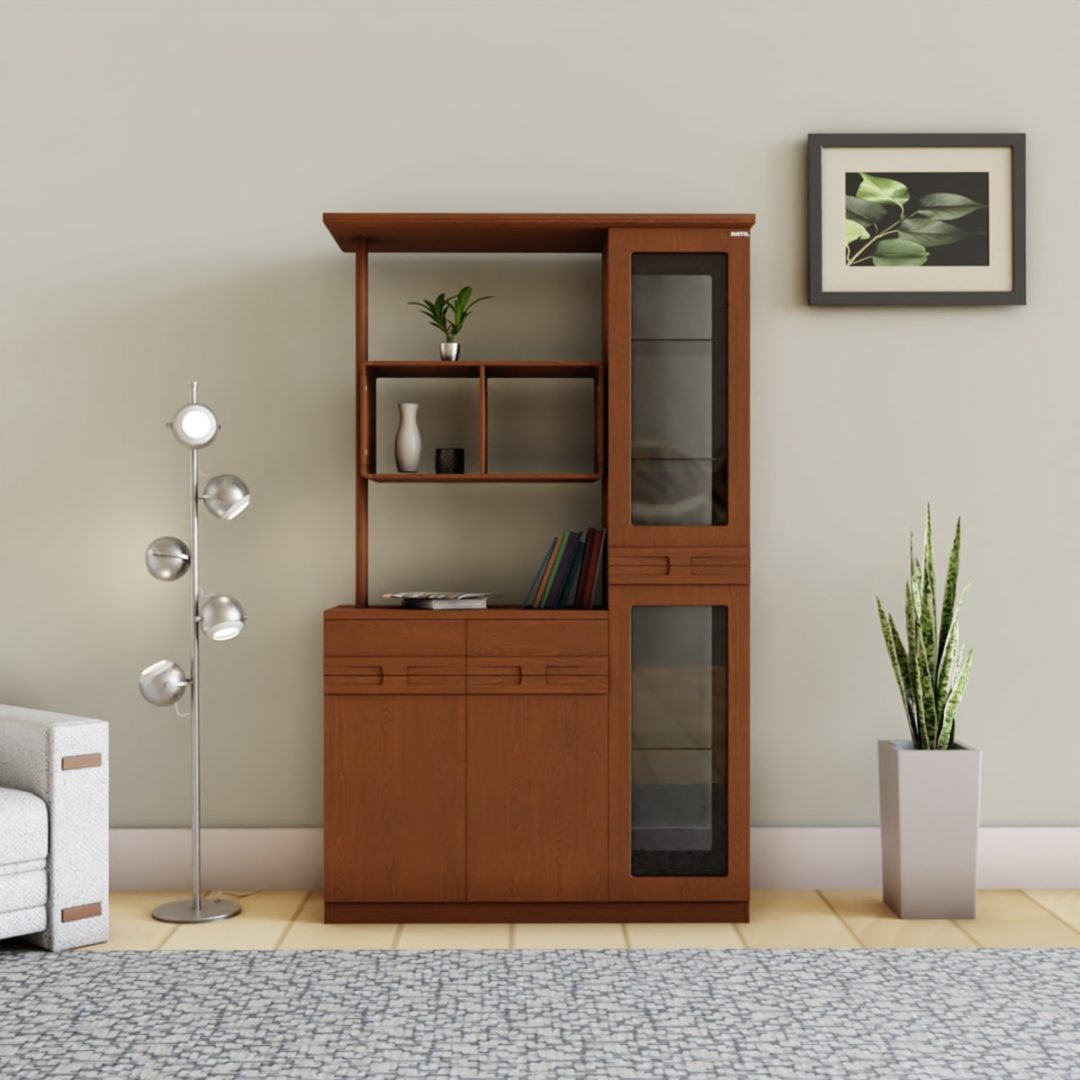
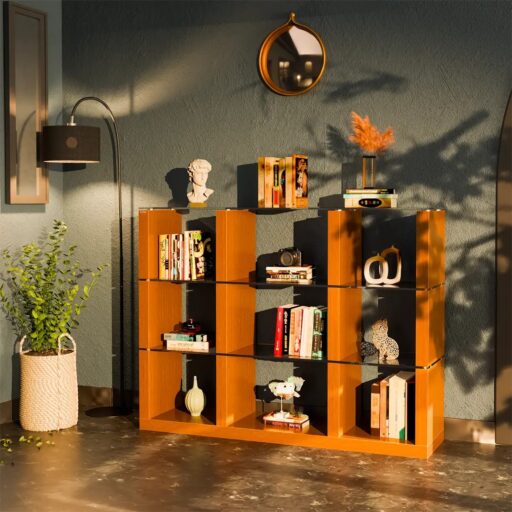
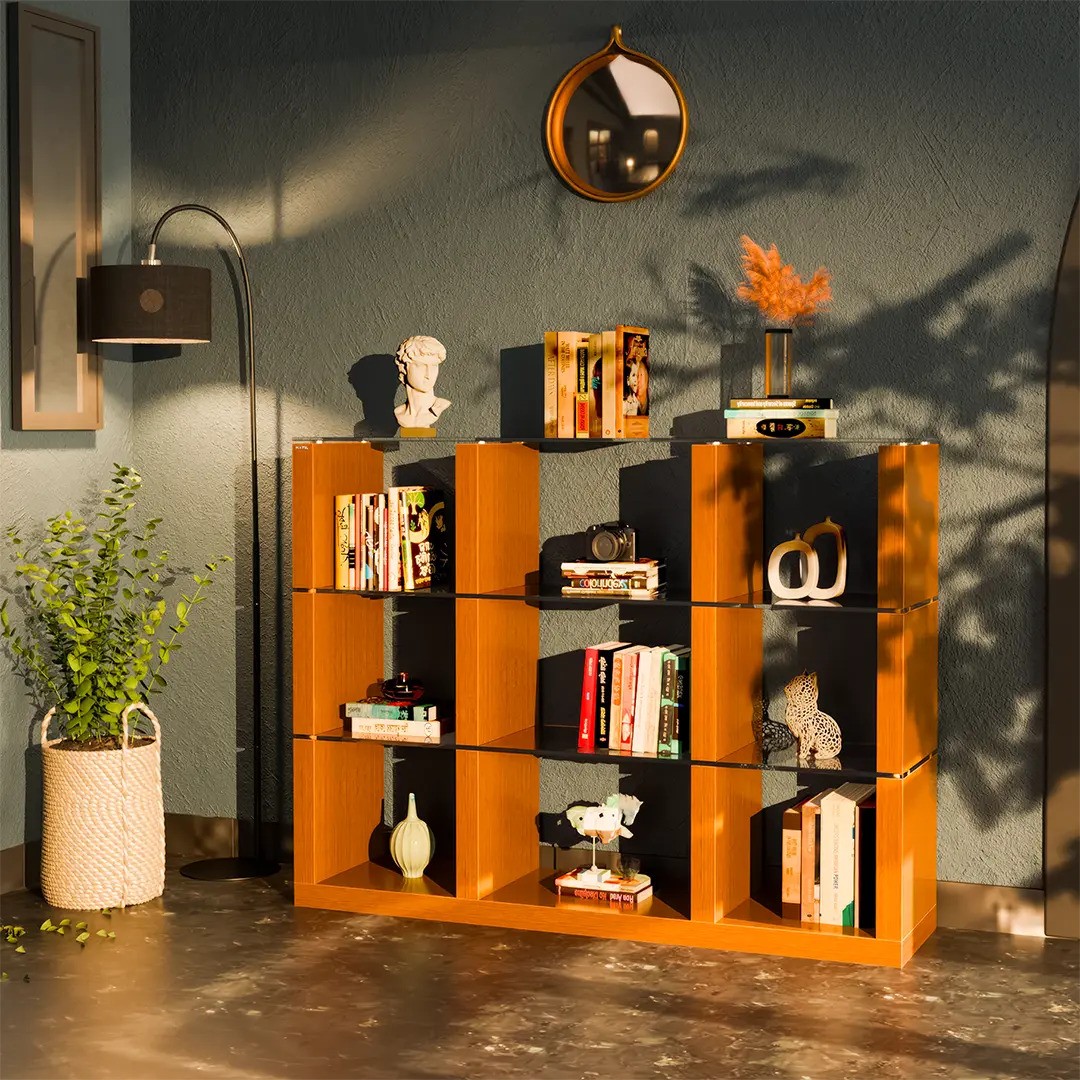
So she gave them roles. She discovered open shelves from HATIL, not as furniture, but as a structure. Something that doesn’t hide life behind doors, but supports it openly.
When Empty Corners Start Talking
Instead of buying more décor, Mira thought differently.
“What if corners weren’t meant to be filled,” she wondered, “but assigned?” and then decided to have that open shelf.
Unlike bulky cabinets, open shelves don’t overpower a space. They offer just enough presence to guide behavior. You don’t dump things on them. You place things. And that small shift changes everything.
She chose a shelf that fit her lifestyle, not a trend:
- One that could sit quietly in a corner
- Tall enough to use vertical space
- Open enough to keep her mindful of clutter
HATIL’s designs made that easy with clean lines, balanced proportions, shelves that feel intentional instead of decorative. No excess. No noise.
How One Shelf Changed Daily Habits
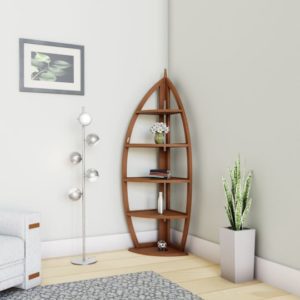
One corner near the window slowly became part of Mira’s morning routine. A ceramic mug sat there, always within reach. A small plant caught the sunlight during early hours, and her journal rested beside it, ready whenever she needed a few calm minutes before the day began.
The corner near her workspace found its purpose too. The lower shelf held the printer and files, keeping the floor clear. Above that, her laptop stand stayed ready for work, while a single framed photograph sat on the top shelf, adding just enough personality without distraction.
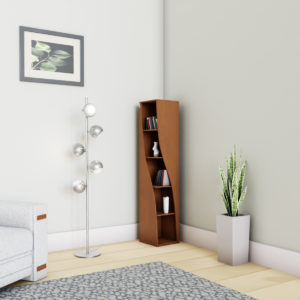
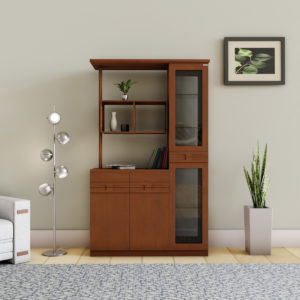
Near the entryway, another small piece took over responsibilities she used to scatter around the apartment. Her keys, sunglasses, and wallet finally had a fixed place. No more searching. No more last-minute panic. From the HATIL collection, she was confused between Claudio-126, Sybil-133 and Schumann-134 because each of them were beautiful and aesthetic in look, but finally she chose the Schumann-134 as she wanted the room to look more fulfilled.
The Schumann-134 shelf naturally defined how much could fit in the space, which made the corner easier to manage. Over time, it became her favorite shelf to decorate because it matched the aesthetic of the corner she chose for it. The proportions felt balanced, the spacing worked well, and whatever she placed on it looked neat and intentional without extra effort.
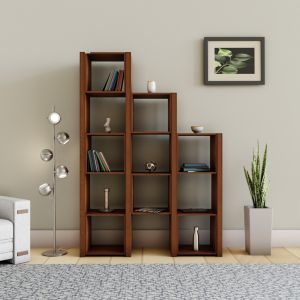
Why Open Shelves Feel Effortless
Over time, Mira noticed changes she hadn’t planned for. Cleaning took less time because nothing was hidden or forgotten. Making decisions became easier because every item was visible. She even stopped buying unnecessary things, simply because there was nowhere to hide them anymore.
Open shelves quietly encourage better habits. They prevent overfilling, keep essentials in sight, and create a balance between function and appearance. Corners stop feeling random and start feeling intentional.
The aesthetic didn’t come from decoration. It came from clarity.